Gravel Shoes: Hype or Money Well Spent?
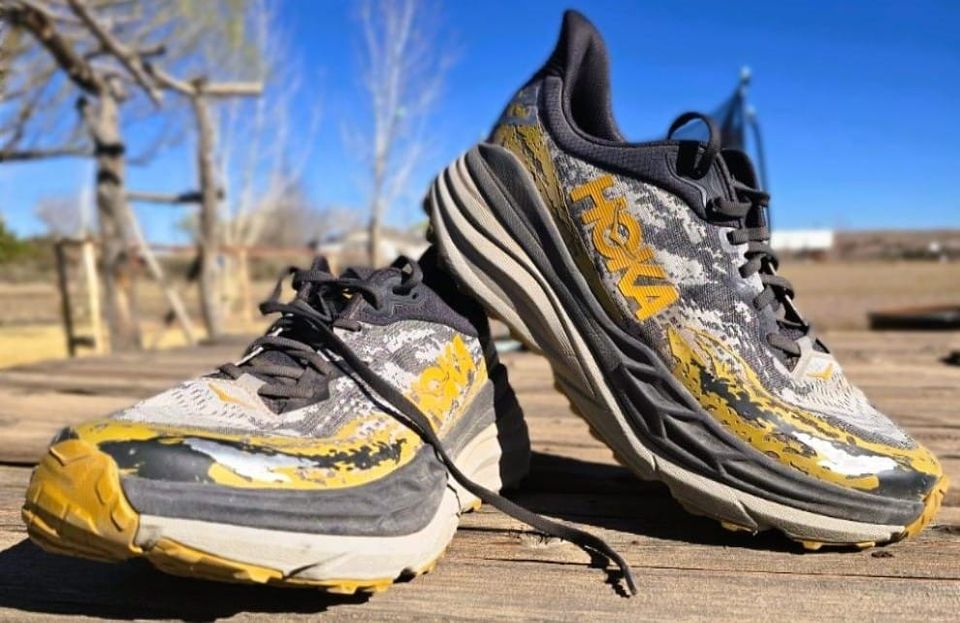
My honest opinion of the Hoka Stinson 7!
Shoe technology has taken off over the last decade. New foams, stack heights, drops, and construction techniques have become the norm in product descriptions. One of the latest trends on the market is the crossover or "Gravel" shoe. "Gravel" isn't a new buzzword to hit the screens of outdoor enthusiasts worldwide; it's been used for years in the cycling community to describe bicycles suited for both the road and trail, while not exactly being perfect for either. The idea of a gravel or hybrid shoe is identical. More often than not, they have thicker, more plush midsoles with a firmer, large-lug outsole designed for grip on loose surfaces like dirt, rock, and—you guessed it—gravel trails. They do both arguably well, but are they worth the investment in 2026?
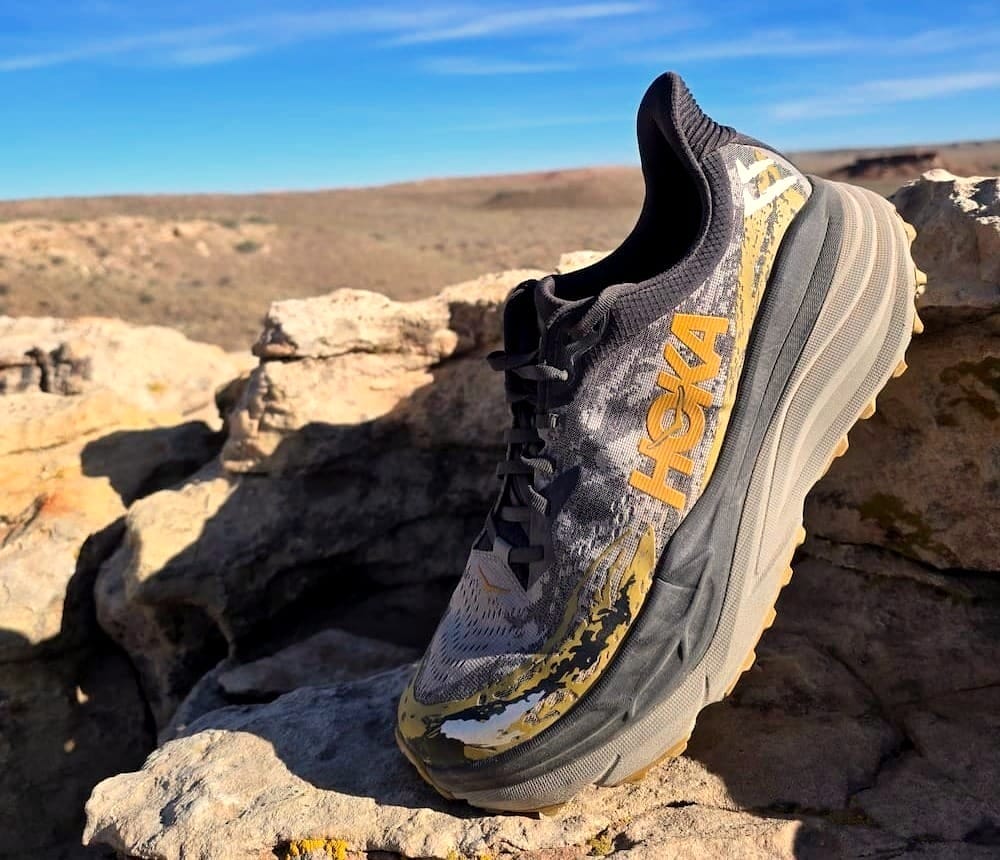
Having put roughly 100 miles on the Hoka Stinson 7, I have mixed emotions. Marketing this as a plush, "built for all surfaces" option is, in my opinion, somewhat of a stretch. While they feel softer underfoot than another gravel option I own (the Adidas Soulstride), it is still not what I would have hoped for at an MSRP of $175.
On softer surfaces—dirt, grass, pine needles, or light rocky terrain—they’re awesome. The cushion from the midsole combined with the softer ground makes for a pleasant trail experience. However, the minute you leave the natural cushion of the earth for hardpack, rock slabs, or roadways, they become an entirely different animal. For short to mid-length stretches of hard surface, it is manageable. Personally, though, for anything beyond five miles at a time, I find myself daydreaming of my road runners.
My other gripe with the Stinson 7 is the weight; they are heavy. I know—just lift your feet higher. But when you’re 20 miles into a 50k and fatigue sets in, the accidental drag is going to happen. During my first few runs, I had to constantly think about my form. Even after 100 miles in them, when I start tiring, I have to remind myself to step higher than what feels natural because the "cinder block" on my foot doesn't have the clearance of my previous gamers.
That said, they're still one of my favorite offerings from Hoka. They’re rather wide compared to my Clifton 10s, mainly in the midfoot, which is a welcome plus. I often feel like my foot is stepping over the arch support of the Cliftons (luckily only while walking), but this isn't an issue with the Stinson 7. They are much roomier. In fact, unless I wear cushioned running socks, they tend to feel looser than any other option I own.
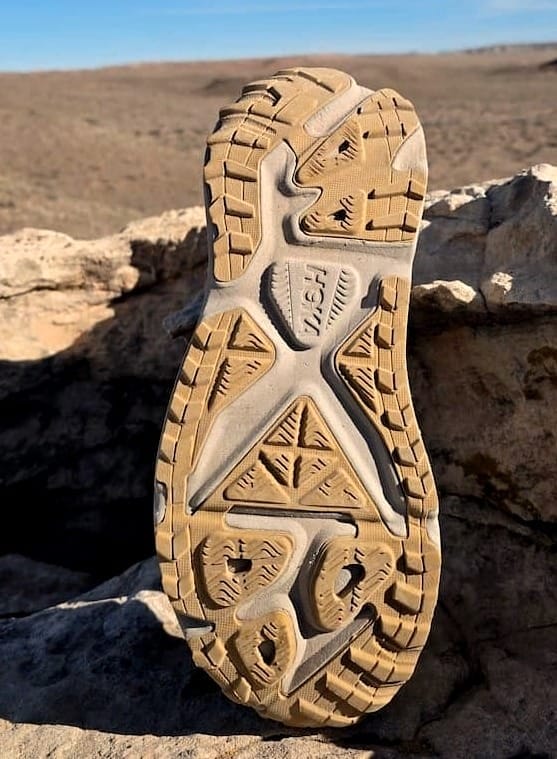
The grip on the outsole is wonderful for the dusty, sandy, rocky "roller" trails I frequent in Northern Arizona. I haven't been able to test them on wet and muddy trails—well, because it’s Arizona and rain is scarce—but it should be clarified that these are not waterproof. If that is your jam, look at the Hoka Challenger 8 GTX.
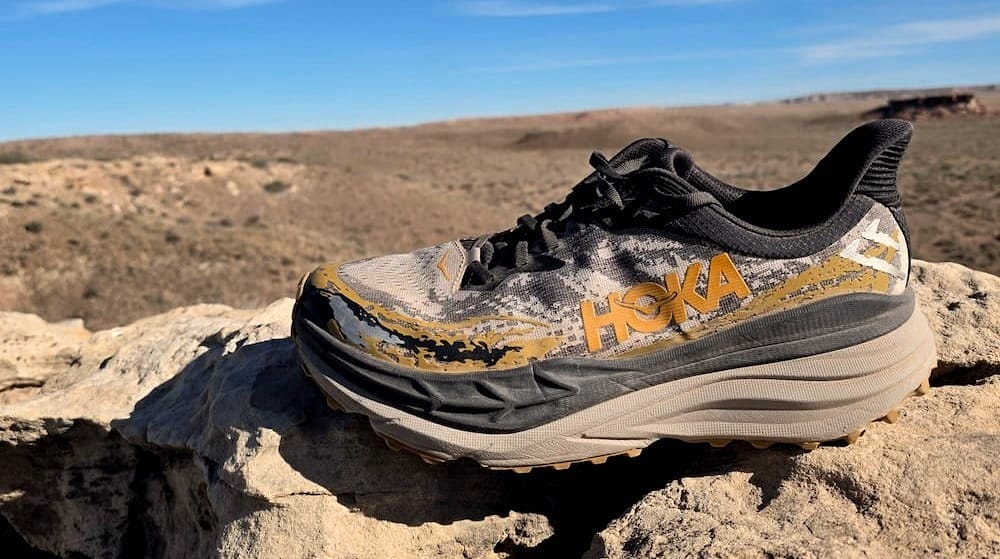
Regarding stability, the Stinson 7 hits the mark. It’s one of the best I’ve tried across all genres. With the notably wide base Hoka is known for, it makes that weighty, cinder-block feeling acceptable. When you plant your foot and the foam compresses, you won't find what I can only describe as that "low tire" feeling—that unbalanced, shifty sensation where the material has nowhere to go.
At the end of the day, the Stinson 7 is vastly more plush than my Adidas Soulstride and has arguably better grip. The lack of "on-road manners" is superseded by the stability and grounded feeling off-road. It makes the cons easy to look past. This is a great all-surface offering, to me, they are an awesome trail shoe that was coerced into having enough "roadability" to get by passive-aggressively. The refusal to compromise on trail performance is what makes it a versatile multi-role option.
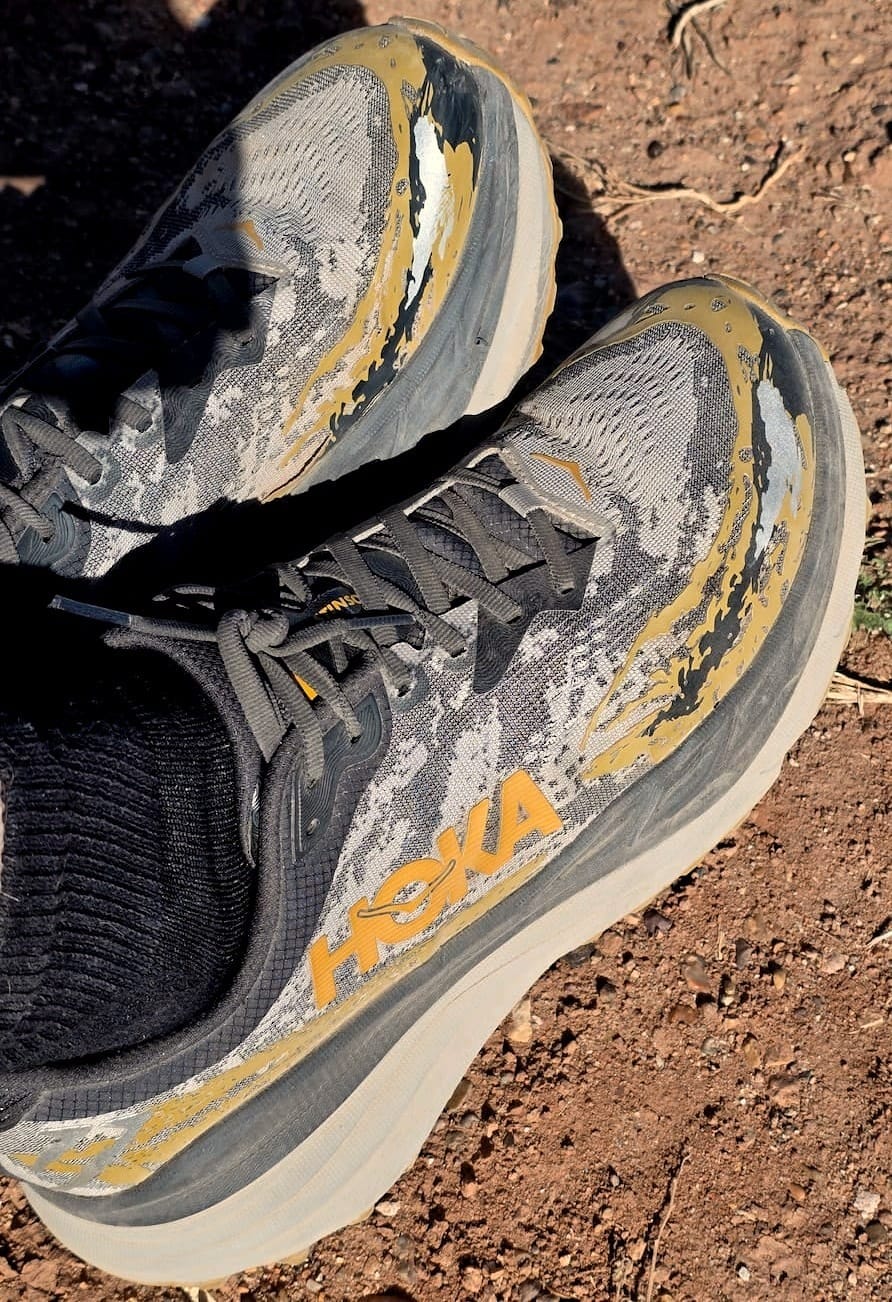
Would I buy them again after 100 miles? Absolutely, the positive features overcome the handful of personally less-than-ideal points. Investing in a single pair is money better spent than dropping cash on two separate, specialized shoes that would cost significantly more combined. If you need one shoe to do everything from trail to road the Stinson 7 is a "can't go wrong" choice.
However, if you're on a stricter budget or already have a favorite pair of road runners and want to stay within the Hoka ecosystem, I would suggest the Challenger 8. They come in at an MSRP of $155 and weigh 8.7oz, compared to the MSRP of $175 for the Stinson 7 and a weight increase to 12.9oz. As a semi-controversial idea, examine the type of off-road terrain you normally run and see if your current road runners would perform just as well as a dedicated trail runner. I know when I’m at work and have a few hours for a run, my Clifton 10s work just fine whether I’m on the road or taking to the trails. I simply adjust my running style and closely watch where my feet land. Whether you choose the specialized option or the one you already own, just remember: the best gear is the kind that actually gets you out the door.
If you found this helpful and want to keep your running journey consistent, don’t miss out on our future dispatches. We’re building a community of runners who value longevity over ego and practical habits over burnout. To get the latest strategies, gear insights, and motivation delivered straight to your inbox, sign up for the newsletter below. Let's keep chasin' those goals together—one manageable mile at a time.