The Miles Weren't Enough

Strength Training for Runners
Being fairly new to running, I hadn't given much thought to, or really understood that just logging miles isn't enough. I would argue that for anything up to maybe twenty miles, you can simply train for the distance. Work up to your desired mileage, run it consistently, and you're mostly there.
However, once we start pushing longer distances or trying to find that next gear of speed, it’s time to add strength training to the regimen. Beyond performance, the biggest reason for lifting at any level is injury mitigation. We can’t stop every freak accident, but we can absolutely hedge our odds against the "wear and tear" that sidelines most of us.
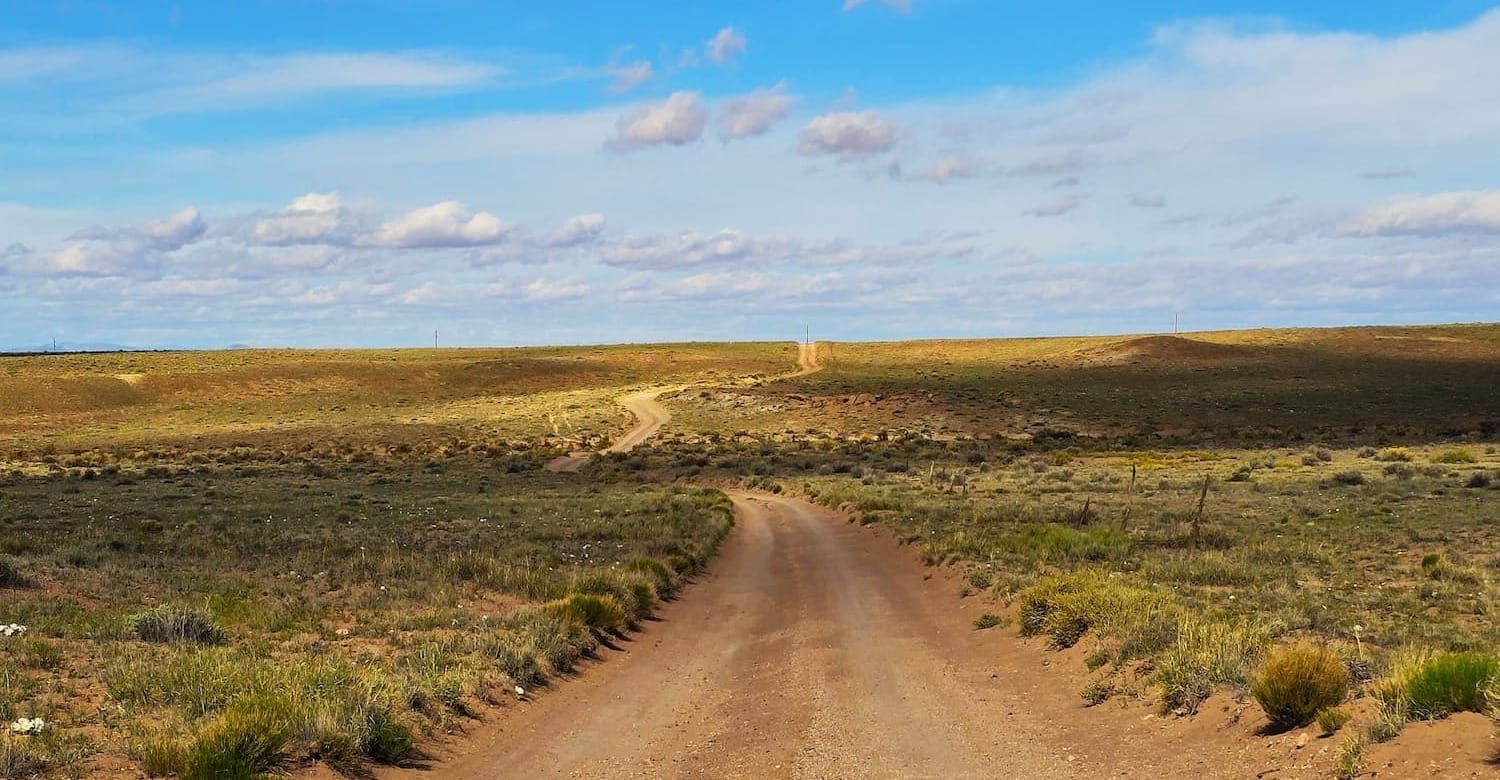
While "runner’s knee" and I.T. band pain aren't always injuries, they were painful enough to stop me in my tracks until I figured out how to fix them. Here are five of my go-to exercises that helped me clear up my I.T. Band Syndrome and get back to running pain-free.
- Spanish Squats
This is a premier exercise for patellar tendon health. It uses a heavy resistance band to pull the knees forward, allowing you to sit back into a squat while maintaining a vertical shin. This creates high tension in the quads and tendons without over-compressing the joint.
How to do it: Loop a stout resistance band around a pole and place it just behind your knees. Step back until the band is taut. Sit back into a partial squat, keeping your shins as vertical as possible. Hold for 30–45 seconds or perform for repetitions.
Watch: Spanish Squats for Knee Pain
- Tibialis Raises
Strengthening the tibialis anterior (the muscle on the front of your shin) helps with "picking your feet up" on technical trails and acts as a shock absorber for your knees during steep descents.
How to do it: Lean your back against a wall with your feet about a foot away from the base. Keeping your legs straight, pull your toes up toward your shins as high as possible, hold for a second, and lower slowly.
Watch: 4 Tibialis Anterior Exercises
- Eccentric Step-Downs
These focus on the "lowering" phase of a step, mimicking the specific stress of downhill trail running. It builds massive stability in the muscles surrounding the knee.
How to do it: Stand on a small step or box on one leg. Slowly lower your opposite heel toward the ground by bending your standing knee. The goal is to keep your hips level and your knee tracking straight over your toes.
Watch: Single Leg Step Down | Eccentric Knee Strengthening
- Single-Leg Romanian Deadlifts (RDLs)
This movement builds "trail-ready" hips and balance. It targets the hamstrings and glutes while forcing the stabilizers in your ankle and knee to work together.
How to do it: Stand on one leg with a slight bend in the knee. Hinge at the hips, sending your non-standing leg straight back behind you as your torso lowers toward the floor. Keep your back flat and hips square. Return to standing by squeezing your glutes.
Watch: Running Core Strength: Single Leg RDL
- Clamshells & Lateral Walks
These target the Glute Medius, which is responsible for keeping your pelvis level. If these are weak, your knees will eventually start "barking" because they are overcompensating for hip instability.
Clamshells: Lie on your side with knees bent; lift the top knee while keeping your feet together.
Lateral Walks: Place a mini-band around your ankles or just above your knees and take small, controlled steps sideways.
Watch: Clamshell Legs Raises
Consistency is the Secret Sauce
As with anything, consistency is key. You can't expect to do these exercises just until the pain fades and then never touch them again. I aim for these five a minimum of twice a week, though three sessions is my "gold standard" for keeping the engine running smooth.

Don't wait for an injury to start building the foundation.
If you want my secret to keeping my feet ready for long runs, everyday chores, or a long night at work check out my article on my Go To Insoles.
If you found this helpful and want to keep your running journey consistent, don’t miss out on our future dispatches. We’re building a community of runners who value longevity over ego and practical habits over burnout. To get the latest strategies, gear insights, and motivation delivered straight to your inbox, sign up for the newsletter below. Let's keep chasin' those goals together—one manageable mile at a time.