The Calm Before the Chase: Tapering and Fueling 101:
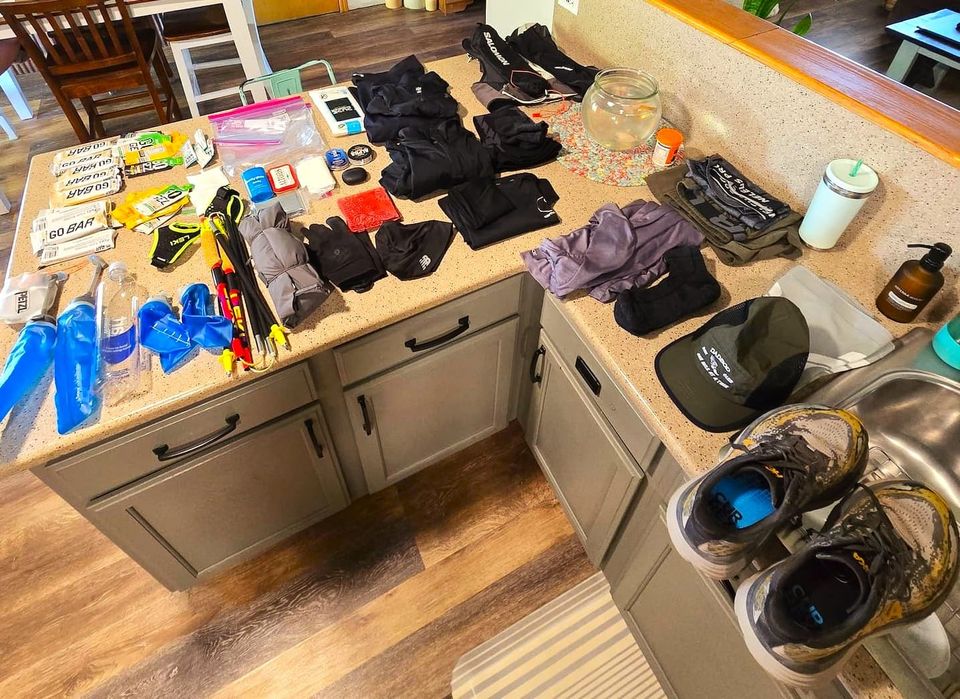
In my last post, we talked about the foundational strength needed to handle the miles. But as race day approaches, the work changes. You aren't "building" anymore; you’re "storing." Whether you're prepping for a 10k or a 40-mile Ultra, how you handle the final 14 days determines how much "engine" you actually have when the gun goes off.
Here is the 100-foot overview of how I handle the final descent into race day.
1. The Taper: Sharpening the Blade
The taper isn't about laziness; it’s about strategic recovery. You can’t gain fitness in the final two weeks, but you can certainly lose it by overtraining.
- Two Weeks Out: Drop your total volume by about 30%. Keep the intensity (speed), but shorten the distance.
- Race Week: Drop volume by 60–70%. You’re just keeping the legs "awake."
- The Goal: You want to feel "twitchy" and restless. If your legs feel heavy on race morning, you did too much.
2. Carb Loading: Filling the Tank
Forget the "spaghetti dinner the night before." For me, that usually just leads to feeling bloated and sluggish on the trail. Real carb loading starts 48–72 hours before the start.
- The Strategy: I aim for 2–4 grams of carbohydrates per pound of body weight. For a 200lb runner, that’s a significant amount of fuel.
- The Source: Stick to simple, low-fiber carbs (white rice, potatoes, sourdough). You want energy that is easy for your gut to process.
- The Logic: You are topping off your glycogen stores. Think of it like filling a jerry can for a long haul across the desert—you want it full to the brim before you leave the pavement.
3. Electrolytes: The Chemical Spark
Running in the heat of Northern Arizona means water alone won't cut it. If your electrolytes are off, your muscles won't fire, regardless of how much "grit" you have.
- Pre-Loading: Start sipping an electrolyte mix (with high sodium content) a day or two before the race. You want your cells saturated. My go-to is about 1200mg of sodium per day for two days prior. On race morning, while driving to the start, I’ll sip on a carbohydrate/electrolyte mix like Tailwind.
- The Balance: Focus on Sodium, Potassium, and Magnesium. Sodium is the big one—it’s the "salt" that keeps the electrical signals moving to your muscles.
- Pro Tip: If you see white salt crust on your hat after a training run, you’re a "salty sweater." You’ll need to lean even harder into the electrolyte loading.

The Bottom Line
The taper is a mental game. You’ll feel like you’re losing your edge, and you’ll want to go out and "test" the legs one last time. Don’t. Trust the work you’ve put in over the last several months.
Be aware of what are affectionately called "Taper Tantrums." This is where your mind goes into a sort of "hangry" mode. Tapering off the constant movement and dopamine drops of a runner's high can make you irritable and tough to be around. Be mindful of this; the last thing you want to do is head into a big race feeling bad about something you said because you were mid-tantrum.
Fill the tank, rest the legs, and save that energy for the dirt. Next week, I’ll be diving into the reality of what happens when the plan meets the trail—and the 39-mile "negotiation" that followed.
Check out my previous post on the specific movements I use to bulletproof my joints. Past a certain mileage, your body needs more than just endurance to keep up, Strength Training is the only way to stay efficient and keep the 'engine' from breaking down on race day.
If you found this helpful and want to keep your running journey consistent, don’t miss out on our future dispatches. We’re building a community of runners who value longevity over ego and practical habits over burnout. To get the latest strategies, gear insights, and motivation delivered straight to your inbox, sign up for the newsletter below. Let's keep chasin' those goals together—one manageable mile at a time.