Flag Crest 40
FOMO, Race, and Aftermath!
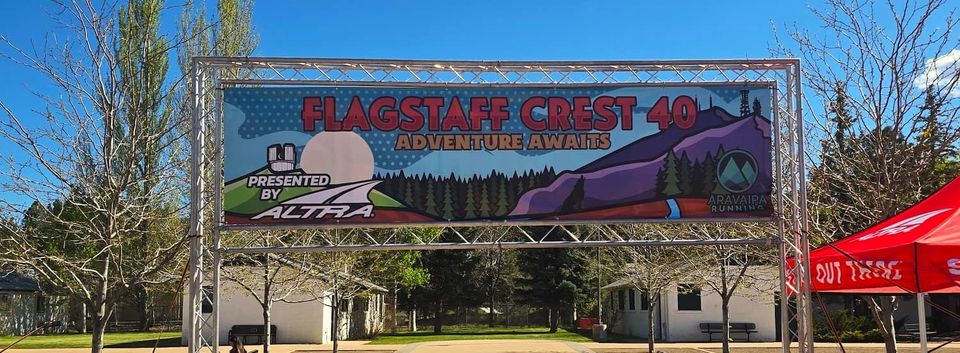
In May 2026 I had the chance to participate in the Flag Crest 40. A 39.1 mile ultra marathon in the mountains of NorZona. Racing between the pine trees and concrete, through the hills and homes of the highest incorporated city in Arizona. Starting at 6,995ft and climbing to approx. 7400ft the Flag Crest 40 had been a goal race of mine for sometime, with my original plan to run it in 2027. As luck would have it I was invited by my brother to race this year in 2026. I knew I wasn't ready for a race of this size! I had barely made it through my 20mi race in Feb that year and my training block was for a 16mi night race...not a 40 mile monster. But, FOMO (fear of missing out) kicked in, not wanting to be outdone by my younger brother I threw caution aside, went straight to UltraSignup, and registered.
$250 later, the reality of mashing submit started to set in. Not being a professional racer, regular life didn't pause for my training block or race schedule. Work, school, family, and the daily grind kept moving. As luck would have it, we ended up with three massive family events stacked on race day: my 40-mile ultra, Highschool Softball State Semi-Finals, and two different play recitals...scattered across three different locations. My poor wife was stuck in the absolute epicenter of the chaos, and my mind was ping-ponging between logistical survival and trail survival. With only 25 days from Registration to Race, I forced the extra miles, aggressively jumping from 22 miles a week to 35, and somehow managed to taper. While I knew I wasn't fully prepared, I figured I could force myself through the miles on pure, stubborn grit if need be... I was unaware just how true that mindset would become.
Race morning started calmly, just like many long-run days before it. I was up at 0400, ticking off boxes in my pre-race routine: electrolytes, simple carbs, coffee, a bathroom trip, taping the toes, grabbing the gear, and heading out the door.
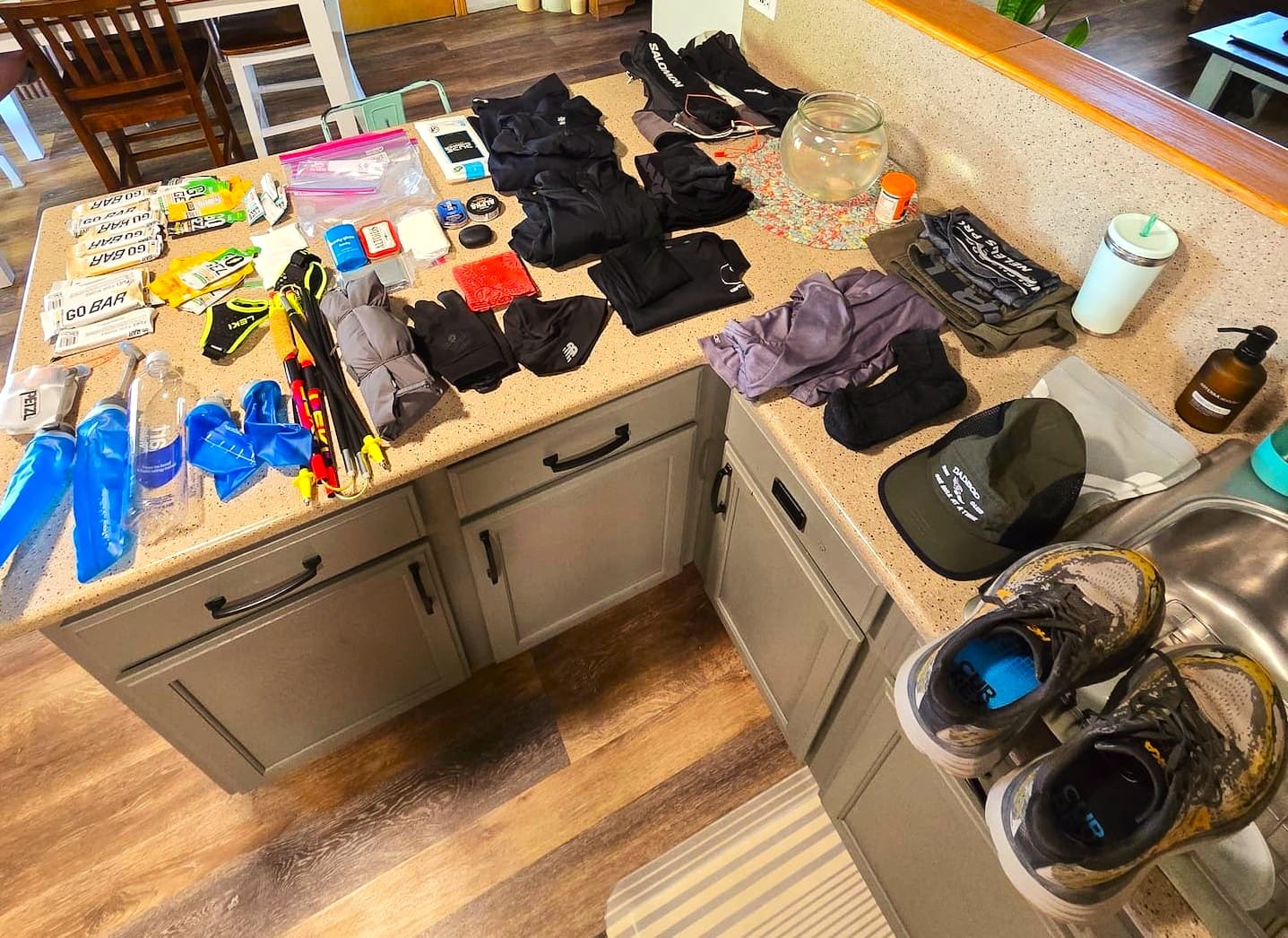
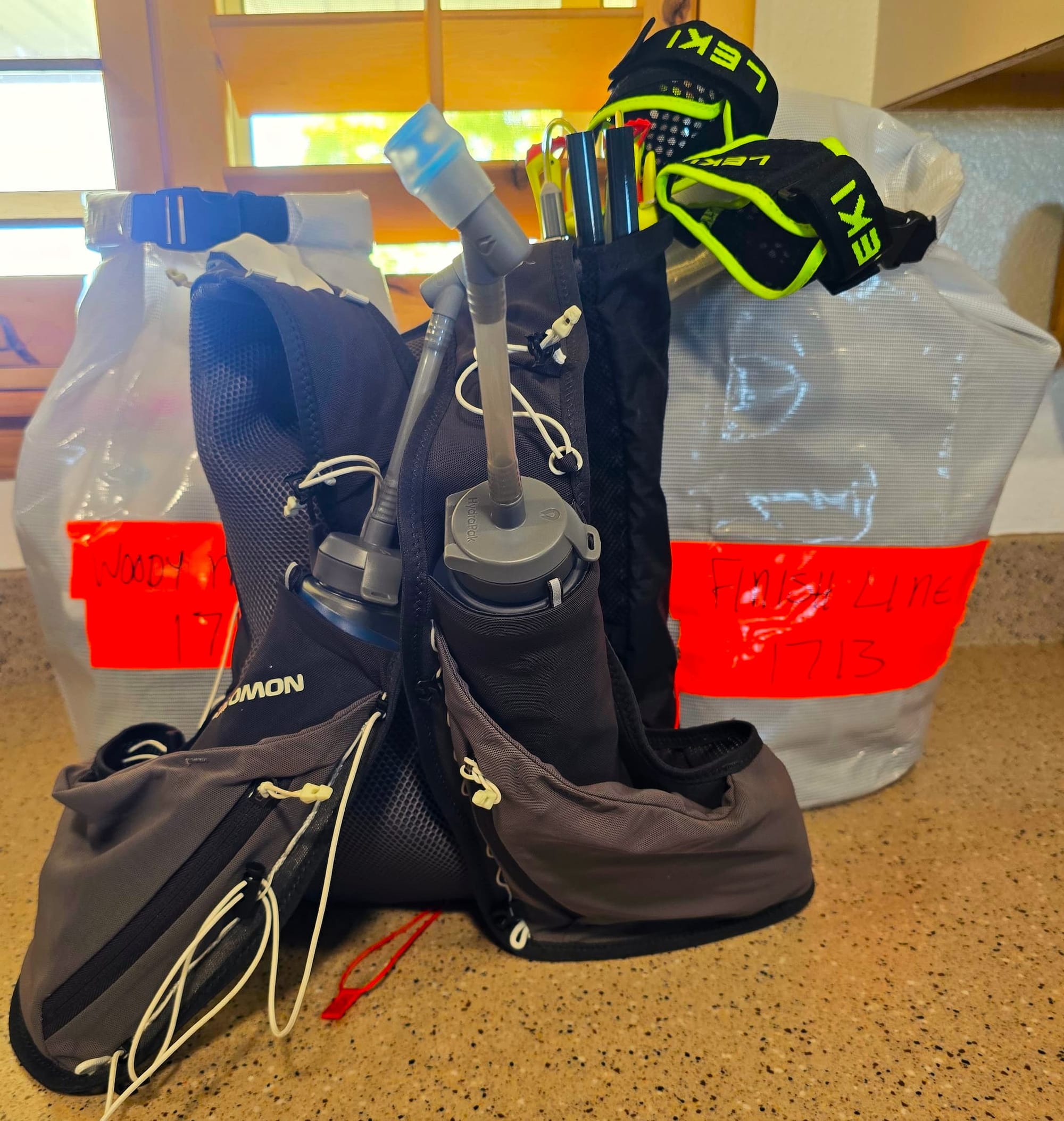
Gear Prep and Race Day
During the hour-long drive to the starting line, the nerves and excitement built with every passing mile. After a quick stop at a travel station for one final bathroom break, we arrived with roughly 45 minutes to stretch and get into race mode. Wandering through the parking lot toward the start, I heard the unmistakable laugh of my younger brother. It gave me a momentary pause from the jumbled emotions of the daunting, 40-mile monster to come. We met up, exchanged a firm handshake, and hugged his wife and kids; winding our way past the other spectators, it was finally time to toe the line.
The siren from the bull horn signaling the start of the race brought the world back into focus as the crowd of roughly 300 runners started to move forward. Looking around at the other racers the nerves calmed, they were no different than me. We were a mix of veteran runners and first timers like myself. Some with pure excitement in their eyes, others me included with the anxious uncertainty of what lay ahead. But together we headed out of the Ft. Tuthill start line and onto the Flag Urban Trail System.
Early on, there was some jockeying for position, but I kept reminding myself how many miles were left. Having run the first 12 miles of the course during a training run, I felt confident navigating the rolling, rocky terrain and tree roots. I settled into a comfortable 10-to-12-minute pace on the flats and downhills, conserving energy, while briskly walking the steep climbs. Coming into the Bow and Arrow aid station at mile 8.6, I felt great. I’d even managed after a small navigational error to catch back up to my brother. Refilling my water and grabbing a couple of mini bean burritos and half a banana, I headed out for the 5.5-mile stretch to the Sinclair Wash aid station.
Running next to my brother down the Bow and Arrow Trail, the miles felt effortless in good company. Around mile 10, we stumbled across a pole quiver another racer had dropped. Pushing the pace to catch up and return it, I focused more on the runners ahead than my own foot placement. At roughly mile 11, I managed to kick the only rock big enough to be a tripping hazard within a 20-foot radius on an otherwise manicured trail. Looking back, I should have just embraced the dirt and crashed gracefully. Instead, I fought it, tried to catch myself, and pulled a muscle in my left hip. I handed the quiver to my brother so he could run it up while I tried to keep moving. By mile 12, it was glaringly obvious I had a major issue. I should have stopped right then to stretch and pop some Tylenol, but instead, I kept moving, and hoped it would magically work itself out. By the time I literally limped into the Sinclair Wash aid station at mile 14.1, I’d been hitching my stride for over two miles. By happens chance my brother was still in the aid station helping the other racer when I hobbled in. Stubbornly refusing to show I was hurting, I quickly refilled my water, grabbed a couple of Precision Fueling and Hydration chews, and we headed back out together on the long, brutal 8.8-mile stretch to Woody Mountain. It didn't last long. By mile 16, my brother had dropped me, my race had officially ground down to a fast walk, the compensation in my stride had completely irritated my knee. Running now felt almost impossible.
The miles into Woody Mountain seemed like they would never end. Eventually after a long rather boring fire road and what would have been an awesome curvy, flowing, very runnable trail I glimpsed Woody Mountain aid station thru the trees. For the first time since the start of the race I sat down, took off my shoes, cleaned myself up, changed my socks, and tried to enjoy the aid station amenities. Not saying I had the best half a burger I've ever had...but it definitely ranks in the top three. Checking my messages I saw a text from my Mom asking if I'd taken a pain reliever? Angry with myself, I dug the Tylenol from my bag, I'd packed it for just this occasion. Leaving the aid station with renewed hope that this race wouldn't be a total wash, by mile 26 the pain killer had done the trick; I was making 14 and 15min miles. The knee was still irritated but it was allowing me to slowly jog again and I was making good time, so we pressed on. Luckily our next aid station at the Flagstaff Athletic Club was a meager 4.6 mile jaunt with the majority of it being on paved roads and trails. I was surprised at the FAC aid station by a good friend that, unlike me, had not succumb to the FOMO and was simply enjoying the race as a spectator. After FAC the spirits were high and I honestly felt good about the next 11.6 miles unsupported into the finish. This last section crossed some of the prettiest areas of the course, over looking Flagstaff for most of it. Running low on water around mile 36, I happened across 4 or 5 little kids along the side of the trail with an impromptu aid station of their own where I was able to refill my two soft flasks with cold crisp water. The hint of pine needles and dirt from the open top pitchers added an interestingly earthy note to the refreshment.
Pushing on down the Karen Cooper trail back into Flagstaff proper, what had been a rocky root filled trail with lots of elevation change, turned to a smooth runnable nicely maintained trail covered in small pea gravel. Traveling behind houses and between neighborhoods we wound our way back into downtown Flagstaff. Making the turn onto Birch Avenue, two blocks away I could hear the crowd inside Heritage Square as they cheered on the runners ahead of me. Rounding the corner into what has been affectionately named Cocodona Alley, seeing the finish line, my wife, my brother, and my friends the emotions evaporated. The fear and anxiety of the unknown from the morning, the frustration of hurting myself so early in the race, the anger from not stopping to work on the issue immediately, being mad at myself for forgetting I packed pain killers, and the disappointment falling short of the goals I had set were all gone. In it's place was the accomplishment, the pride in myself for not quitting, and the indescribable energy of coming down the Alley that you'd have to experience to understand.
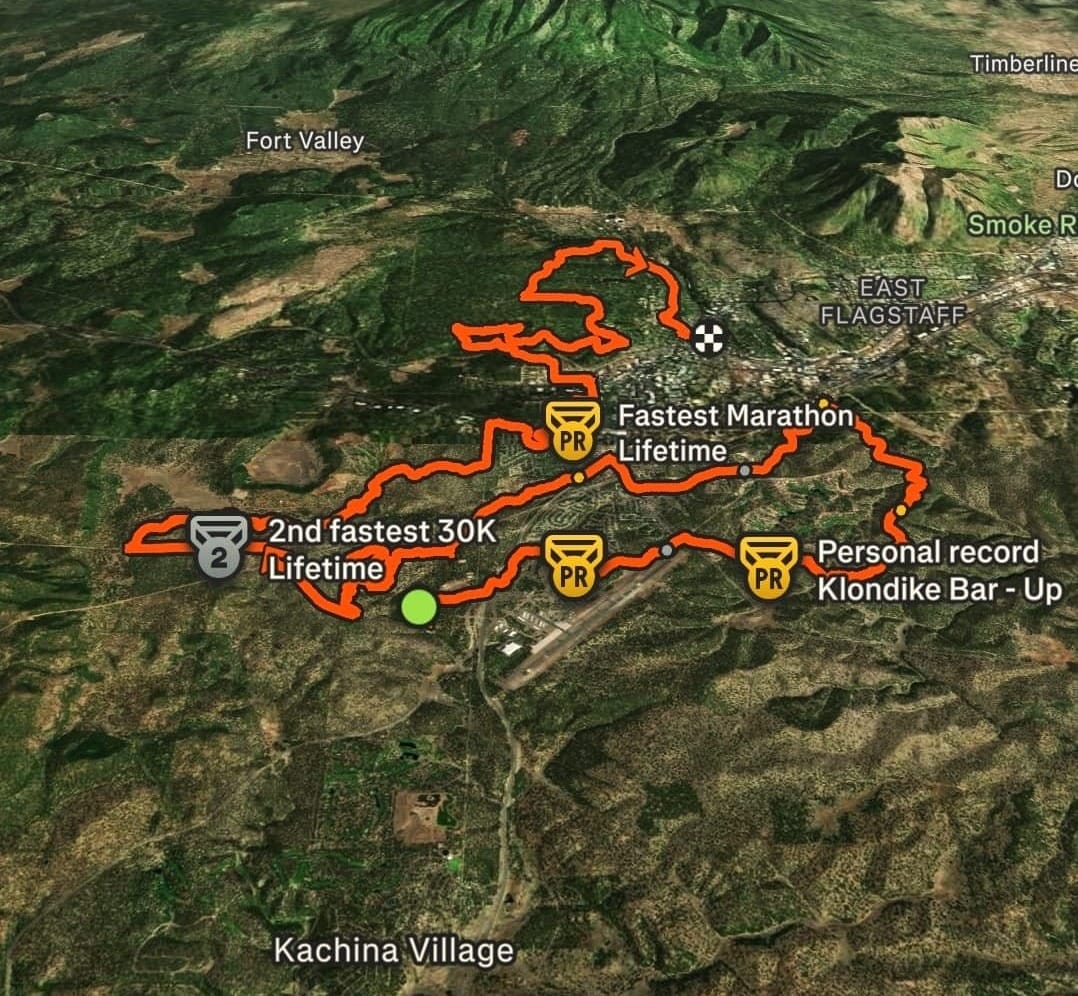
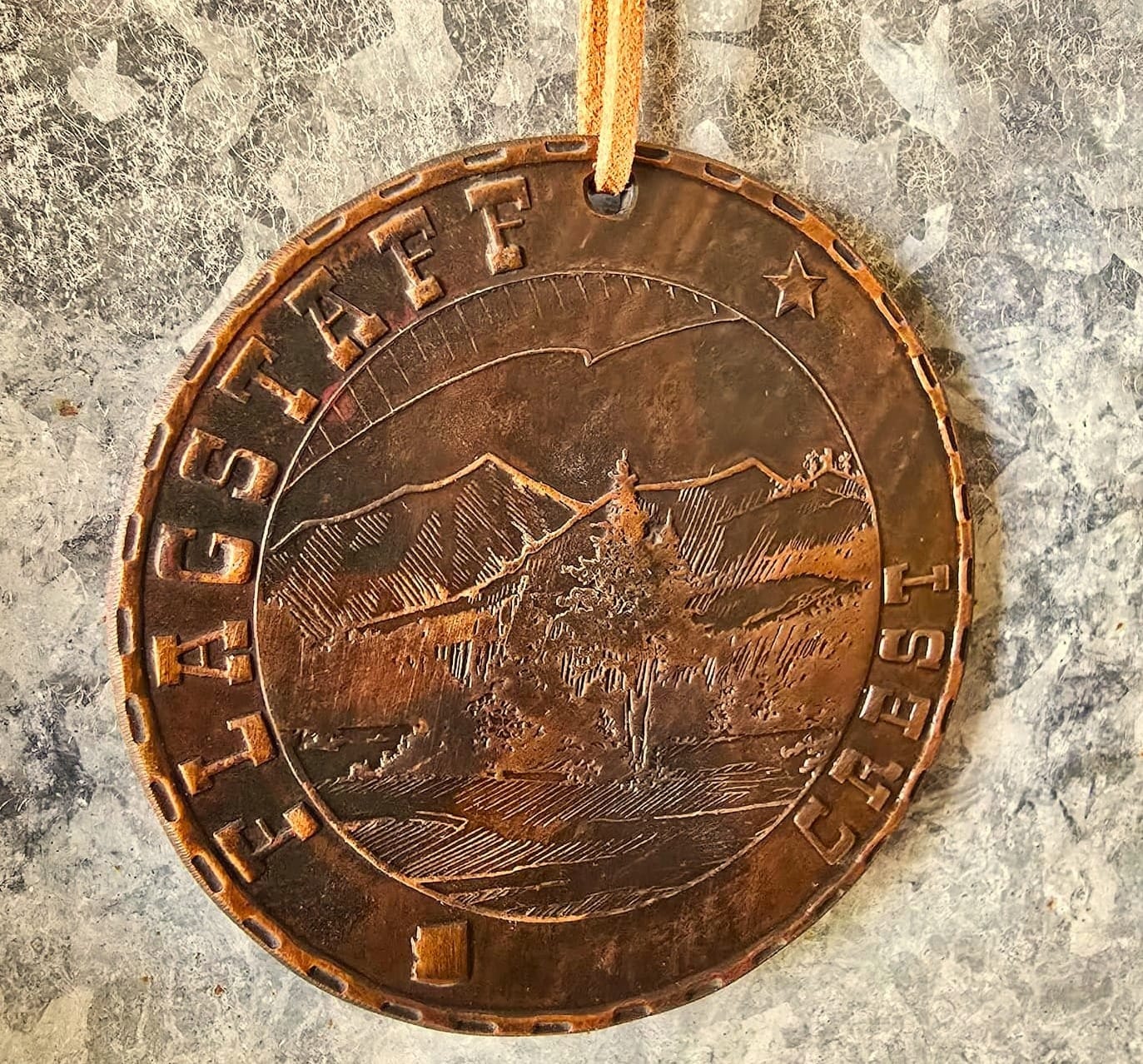
Crossing that finish line in 11:01:01, running on pride and adrenaline, it’s easy to forget the sheer volume of physical debt I had just racked up. The problem with surviving a 40-mile monster on pure stubbornness is that your brain starts to believe its own hype. I walked away from Flag Crest feeling almost invincible, completely overlooking the fact that my left hip was still deeply unhappy and my knee had been radically compromised by my altered stride. My training block had been for a 16-mile night race; I had forced my body through nearly two and a half times that distance on a flat tire, and the bill was due.
Instead of paying it with proper rest, I let the next race on my calendar dictate my actions. With the Blackout 27k looming in June, I had barely let the soreness wear off before trying to force my way back into the next training block. In the weeks since May 8th, I’ve logged exactly 23 miles. A quick 5k felt alright, and a 4-mile run gave me false hope, but the second I attempted a real training run on my home 16-mile trail loop, everything went sideways in a hurry. My body simply wasn't recovered, it just felt better than the day before. It wasn't until I was sitting on the couch, deeply frustrated, and mad at the trail that I stumbled across a video from one of my running idols. He was three weeks after his own Cocodona race effort and had only just started doing body weight exercises. It was the ultimate reality check. If the elites respect the recovery debt, why do we think we can skip out on the bill? Moving forward into June, the strategy has shifted from a forced training peak to smart, tactical recovery. Because if I want to do this for years to come, I have to remember that sometimes, the couch is part of the training.
If you want to see how I prepped and tapered for this race check out my articles on weight training The Miles Weren't Enough and Fueling and Tapering 101. While they're not a set in stone system, they are the foundation I base my protocol off.
If you found this helpful and want to keep your running journey consistent, don’t miss out on our future dispatches. We’re building a community of runners who value longevity over ego and practical habits over burnout. To get the latest strategies, gear insights, and motivation delivered straight to your inbox, sign up for the newsletter below. Let's keep chasin' those goals together—one manageable mile at a time.